What Ozempic Is Actually Cutting From The Basket
New Cornell research ties GLP-1 use to a 5.3% drop in grocery spending, and the categories disappearing first say more about desire than about hunger.
US households cut their grocery spending by 5.3 percent within six months of starting a GLP-1 drug, and by more than 8 percent among higher earners, according to a Cornell study of roughly 150,000 households' transaction data. That's not just a health story. It's a consumption story: a drug designed to change appetite is now visibly changing what people buy, how much, and why.
The same pattern shows up outside the US. In the UK, households with a GLP-1 user spent £780 million less on groceries than expected, and usage has nearly tripled in two years. PwC expects pill-form versions to push UK uptake to around 7 million people, one in eight adults. Novo Nordisk alone now supplies these drugs to an estimated 14 million patients across 80 countries, so the spending shifts showing up in the data today are an early signal of something much bigger still spreading through the global economy. The changes get specific fast: chocolate spending drops sharply in GLP-1 households, while spending on mouthwash and gum rises, a side effect retailers have nicknamed "Ozempic mouth."
Researchers matched retail purchase records against surveys asking whether someone in the household was taking the drug, then checked what happened when people stopped. Spending patterns reversed. That's the strongest evidence that appetite, not some unrelated trend, is driving the change in what people consume.
Substitution, not shrinkage
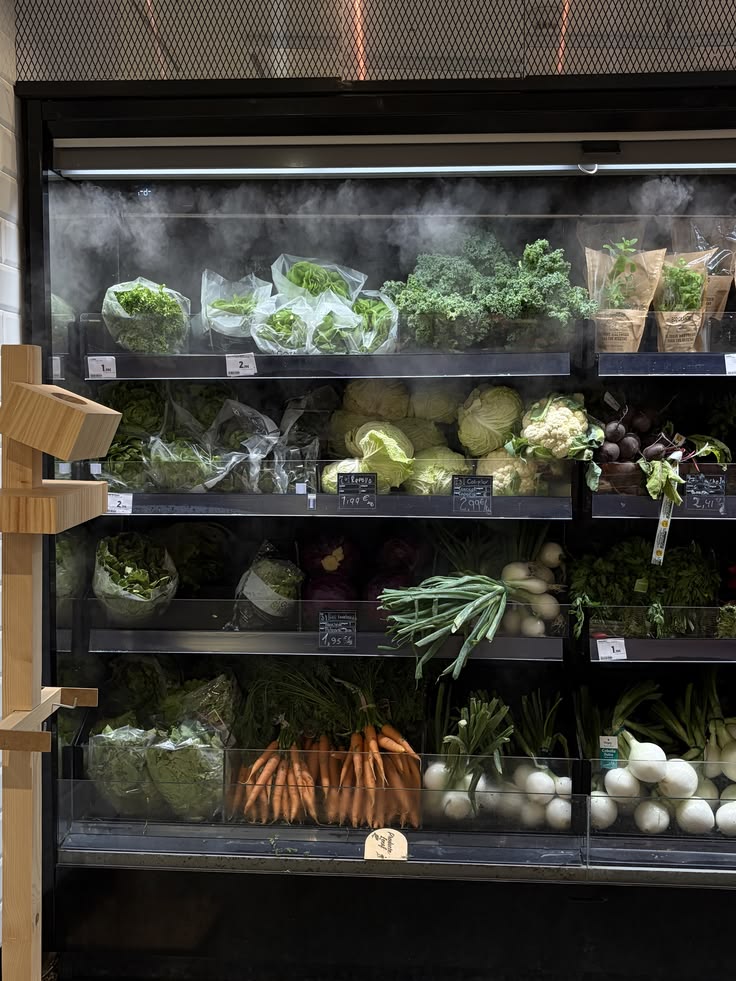
The food industry expected a bigger hit than this. When GLP-1s were approved for obesity in 2021, the fear was that users eating up to 1,000 fewer calories a day would simply buy less of everything. That's not what happened. Research firm Circana found GLP-1 households aren't shrinking their baskets, they're reshaping them: more fresh produce, protein and fibre, less sweets, salty snacks and soda, while still spending more overall than non-users. Restaurant spending is holding up better than groceries, because eating out was rarely just about calories in the first place.
The categories disappearing fastest aren't staples, they're the purchases people made out of boredom, stress or habit rather than hunger: the evening snack, the impulse soda, the thing bought for no clear reason. GLP-1s quiet the physical signal that often got mistaken for appetite. Once that signal fades, what's left in the basket is what people actually wanted, not what a craving told them to buy.
Redirected, not reduced
That spending doesn't vanish, it moves. Acosta Group found GLP-1 users are redirecting money toward personal care and wellness rather than cutting their budgets. The consumption is still happening, just aimed somewhere else.
That shift isn't reaching everyone equally. Even after 2026 price cuts, Americans still pay several times what Europeans pay for the same drugs, and the states with the highest obesity rates often carry the highest cost burden. The households with the most to gain from this shift are frequently the ones least able to afford access to it.
Weight loss was just the entry point
Alcohol is following a similar path, for two separate reasons that are reinforcing each other. GLP-1s appear to directly blunt the urge to drink, most users who cut back stay at that lower level even after stopping the drug. That's compounding a generational shift already underway, especially among Gen Z, where non-drinking rates have climbed sharply. Low- and no-alcohol brands built for a cultural shift toward drinking less are now catching a second wave of demand arriving for pharmacological reasons instead. Whichever cause applies in a given household, the same shelf of alternatives benefits.
Put together, this is bigger than weight loss. GLP-1s are rewiring the basic mechanics of impulse buying, the small, frequent, emotion-driven purchases a huge share of consumer business was quietly built on. As uptake grows and pill-form versions widen the market further, the brands that win will be the ones reading this early: fresh and functional products filling the space snacks are leaving, wellness and personal care catching the redirected spend, and low/no-alcohol brands meeting demand that's shifting for reasons that have nothing to do with taste. The weekly shop isn't just getting smaller, it's becoming a different shop entirely, and the winners will be the brands paying attention to what's being bought instead, and why.
Trending Post


Stay up-to-date
Related Post

Fifty million people spent Valentine's Day 2026 with an AI companion. The business model behind that growth only works if the loneliness it addresses never fully resolves.